The instrument atlas
Every familyhas its own way to move air.
Start with the physical act behind the sound: wind, string, membrane, hammer, magnet, or voltage.

Pipe Organ
A building-sized orchestra shaped by air, ranks, stops, and the room around it.
Enter the room →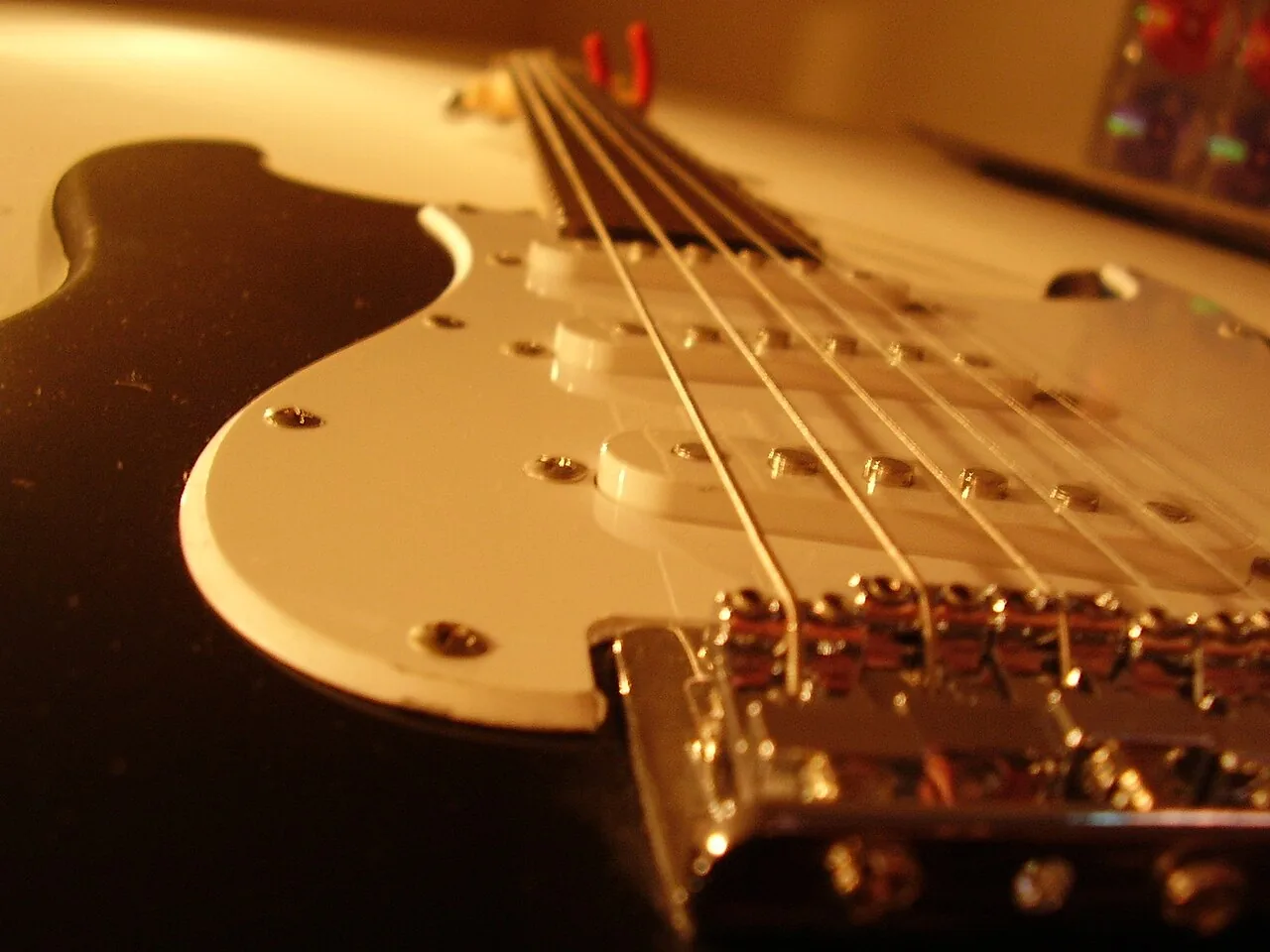
Electric Guitar
Six strings became a circuit: touch, magnetism, amplification, and controlled noise.
Enter the room →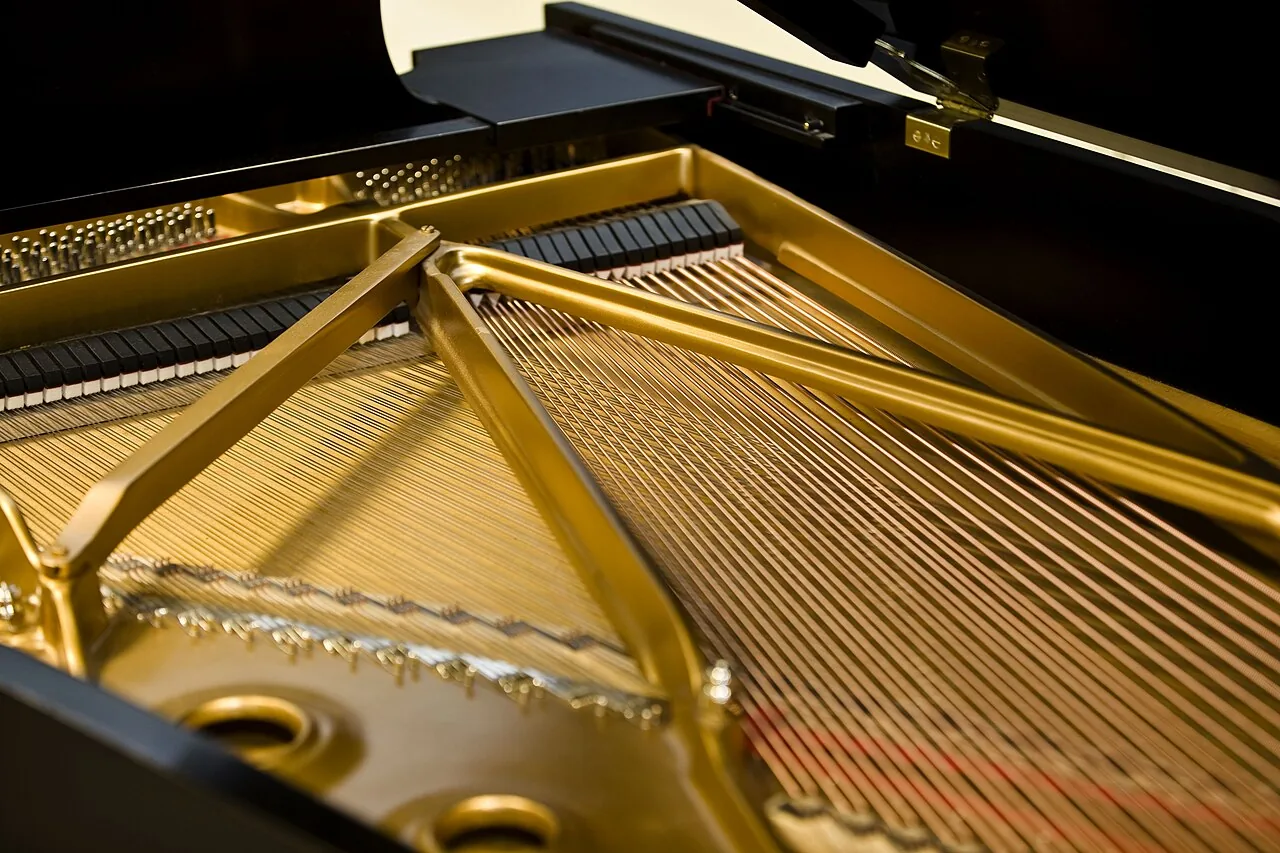
Piano
A keyboard controls felt hammers, while the frame and soundboard carry the drama.
Enter the room →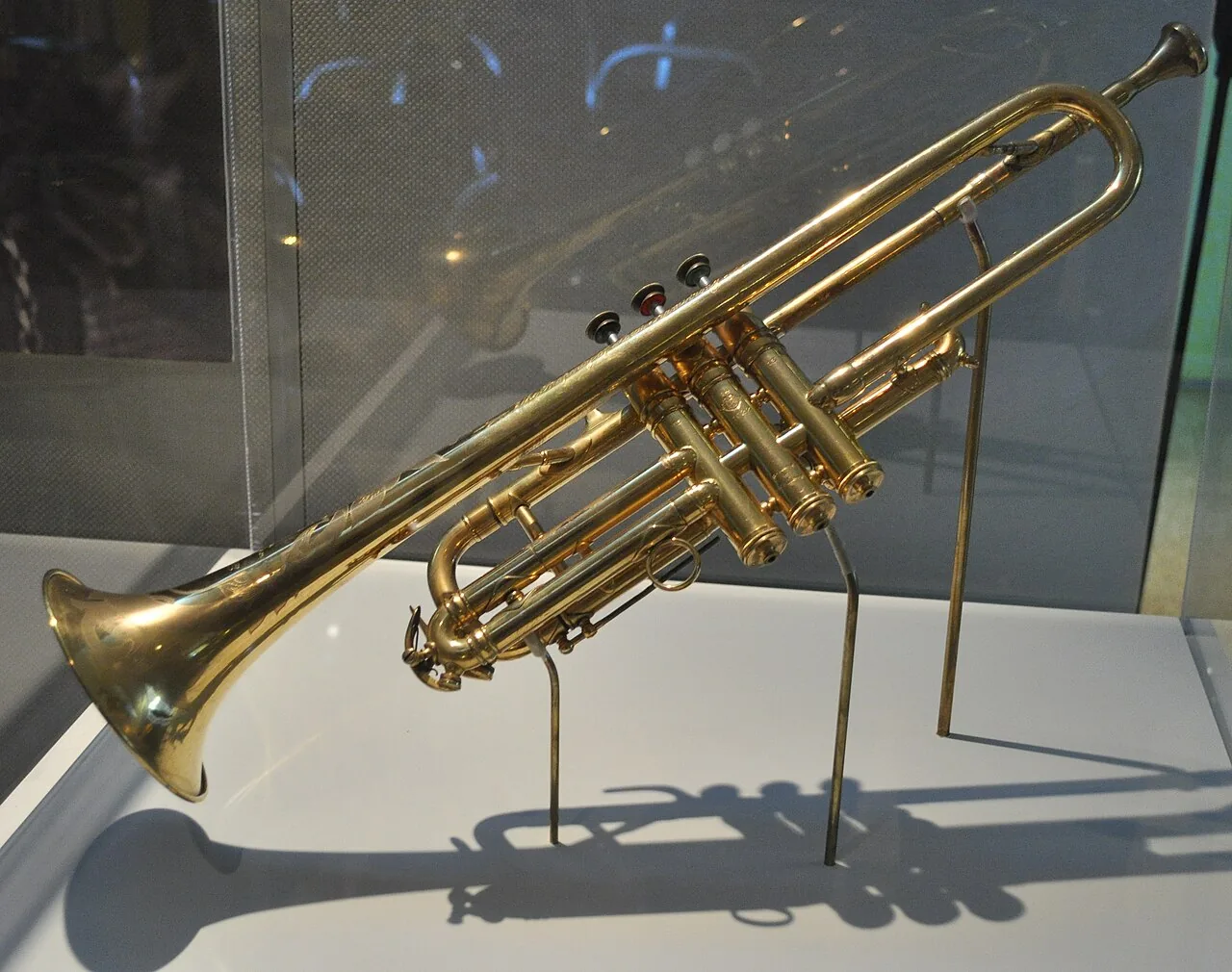
Trumpet
A compact tube with an unmistakable voice, shaped first by the player’s lips.
Enter the room →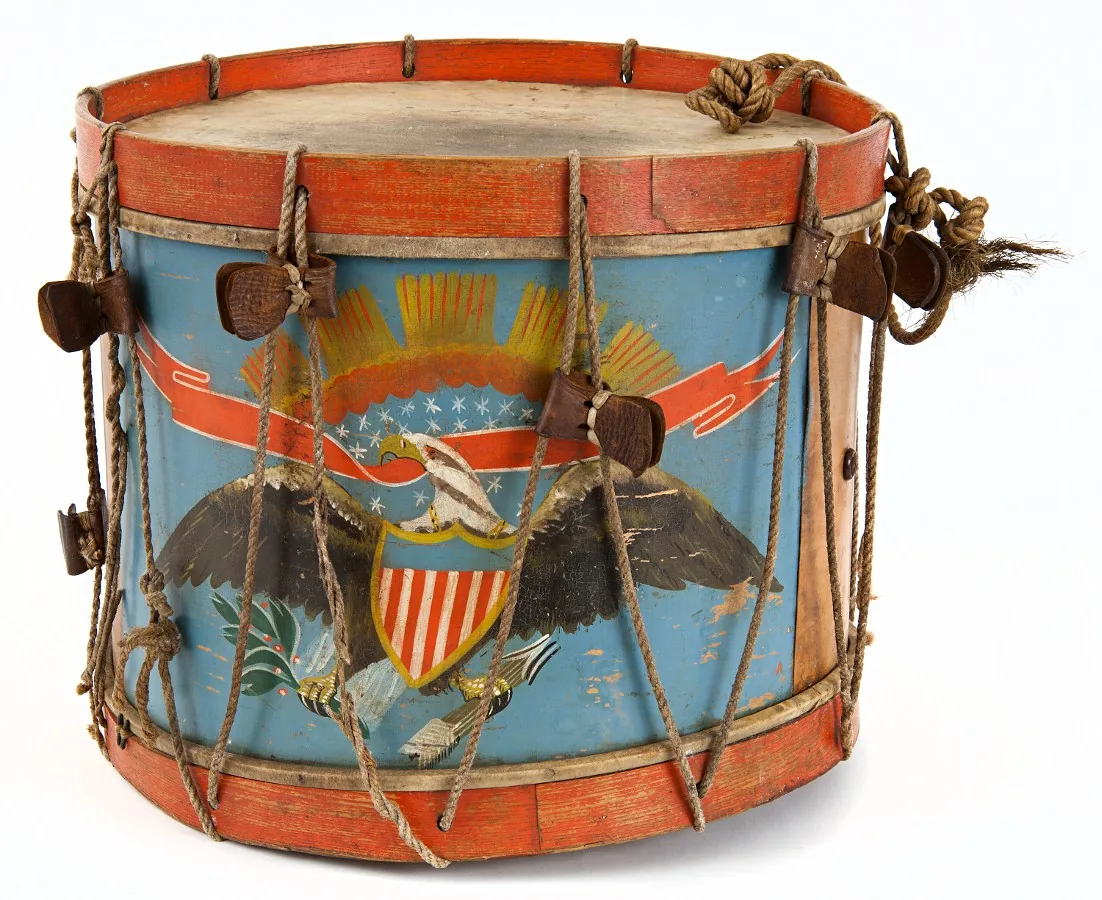
Drums
A surface, a gesture, and time made audible—one of humanity’s oldest instrument ideas.
Enter the room →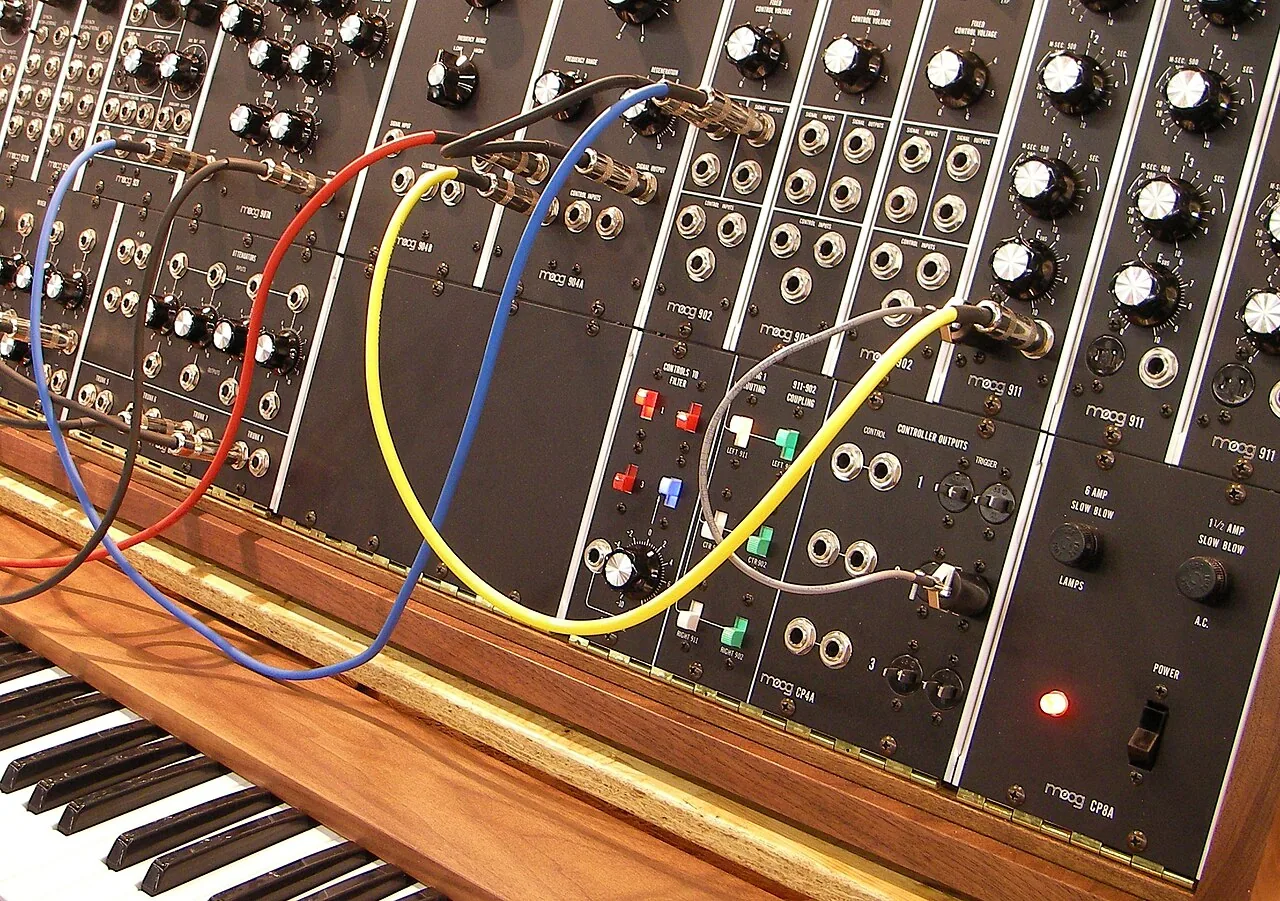
Synthesizer
An instrument that designs sound itself—from imitation to entirely new acoustical worlds.
Enter the room →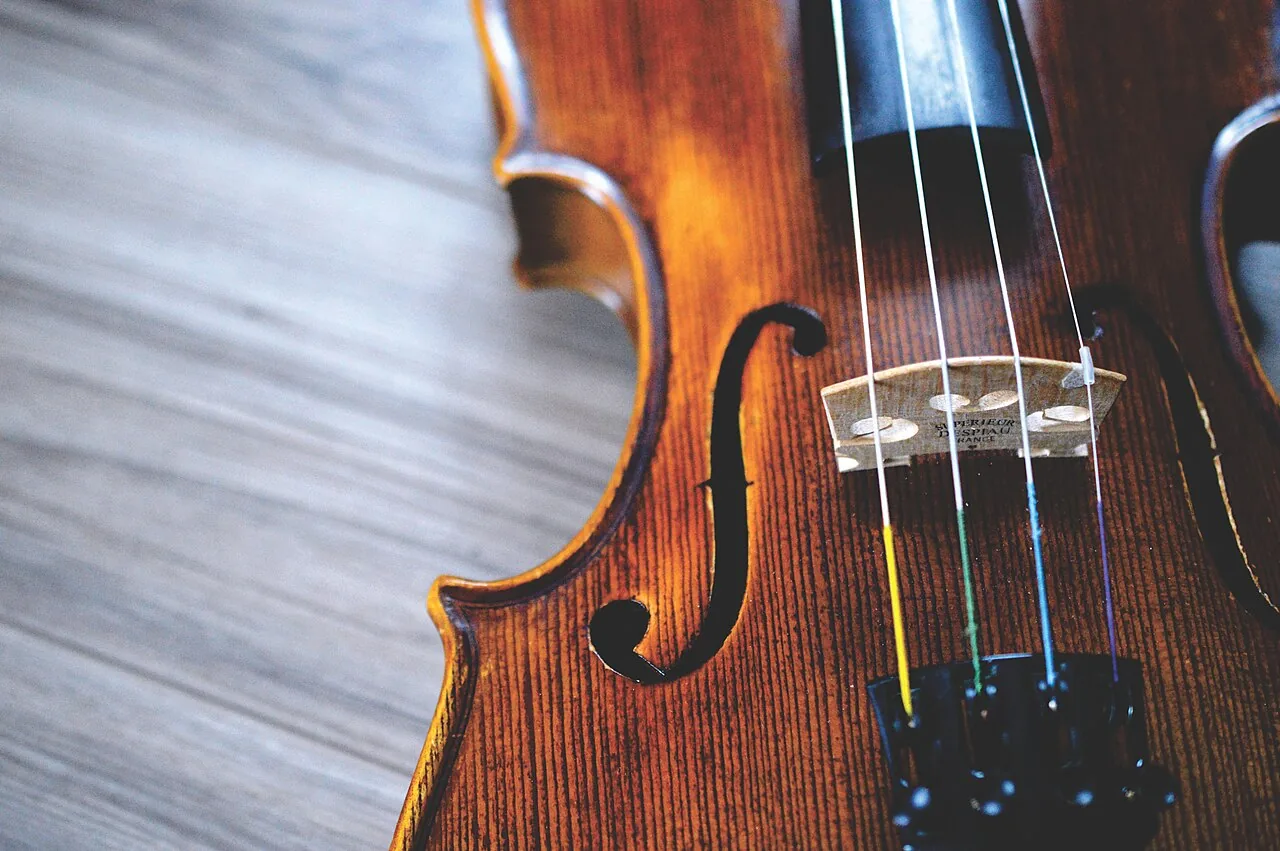
Violin
Four strings, a resonant wooden body, and a bow capable of sustaining a musical line.
Enter the room →A musical instruments guide built around movement and sound
This musical instruments guide begins with a physical question: what starts moving? A violin bow catches a string. A trumpet player's lips interrupt a stream of air. A drumstick bends a membrane. A piano hammer leaves the action and strikes its strings. An organ key opens a path for wind, while a synthesizer turns a control event into a changing signal. Those beginnings are different enough to make comparison useful.
The atlas above is organised as a set of rooms rather than a ranking. Pipe organs, electric guitars, pianos, trumpets, drums, synthesizers and violins each receive their own guide. Together they show how materials, mechanisms, players, amplification and architecture shape what reaches a listener. They do not stand for every musical tradition, and the family labels are navigation rather than a claim that all instruments fit one tidy scheme.
Follow the energy path
Start with the player's action, then follow energy to the vibrating source, resonator and room. On an electric guitar, the string alone is not the finished sound: pickup, controls, cable, amplifier and loudspeaker remain part of the instrument heard by an audience. A pipe organ extends even farther into its building. Pipe speech, case or chamber, shutters, balcony and reverberation all affect the release of a chord.
Listening becomes more precise when the path is named. Instead of calling a tone simply warm or powerful, notice its attack, pitch stability, sustain, release, direction and mechanical noise. Change one condition at a time. Listener position matters, as does microphone distance. The sound beside a violinist's ear or at an organ console is not the same balance heard across the room.
- Identify the action that begins the sound.
- Name the vibrating string, membrane, air column or electronic source.
- Trace the bridge, body, bell, soundboard, filter, amplifier or room that follows.
- Describe one audible change under repeatable conditions.
- Stop when inspection would require force, internal access or specialist repair.
Use family names without flattening the objects
Classification depends on the question being asked. An orchestra groups instruments by tradition and role. Organology may group them by the material that first vibrates. A piano can be described as a keyboard, string or percussion instrument; each label reveals something and hides something else. Hybrid instruments make the boundary clearer. A triggered drum begins with a membrane but may end in a sampled voice, while an electro-acoustic guitar joins body resonance to an amplified signal path.
The overview of musical instruments introduces broad classification history. For object-level research, the Metropolitan Museum's musical instrument collection shows how material, maker, date and provenance stay attached to individual objects. Use those sources as maps, then return to the workshop, player or institution behind the instrument in front of you.
Choose a route through the atlas
Listeners can compare attack and release across families. Players can connect touch, breath, bow, stroke or control voltage to response. Researchers can begin with inscriptions, catalogues and repair records. Buyers can prepare questions, but a web guide cannot appraise condition or value. Open the pipe organ guide for the journal's specialist instrument, or move into Sound Lab when the question needs a tuner, metronome, tone or calculation.
The best comparison leaves the instruments different. Keep one musical question steady and let mechanism, material, room and practice explain the contrast.