Martin Ott Organ Archive · independent historical index
Martin Ott Organ Archive116 instruments.A history built in rooms.
The catalogue opens in Missouri in 1973 and runs across four decades of church, college, monastic, and concert-hall organs. Each entry brings together the history and specifications that still survive.
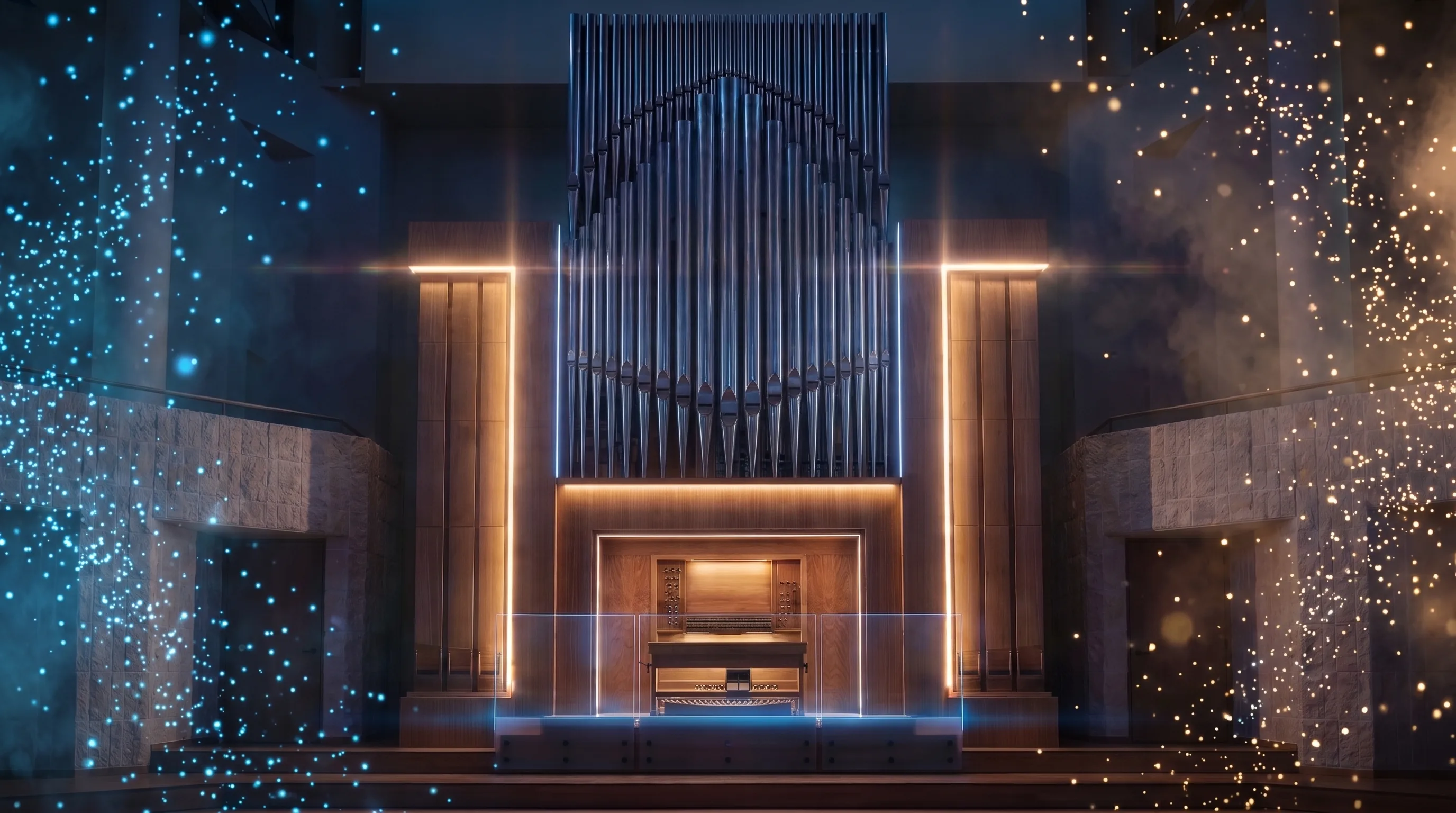
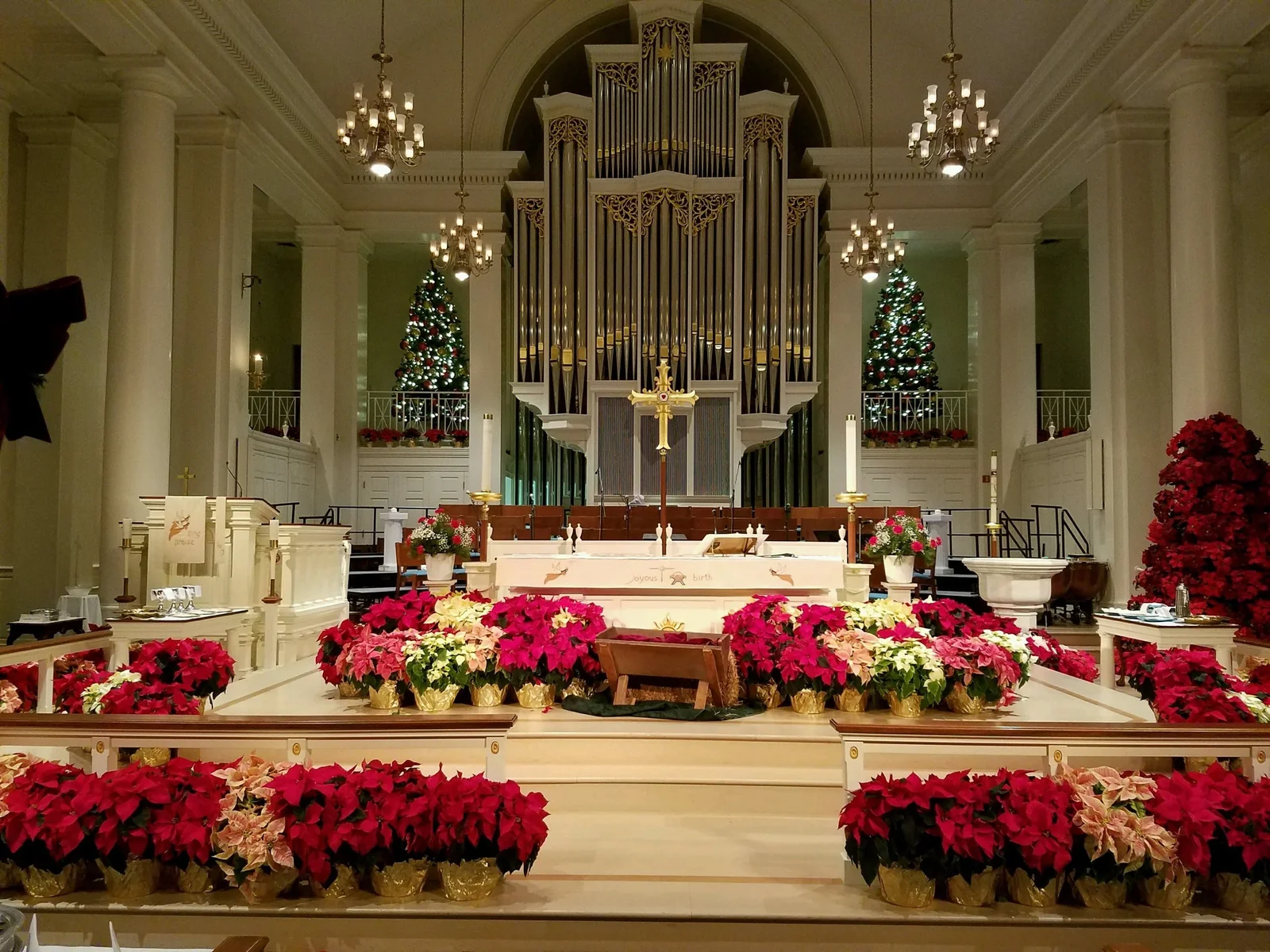
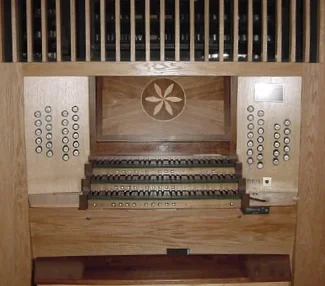
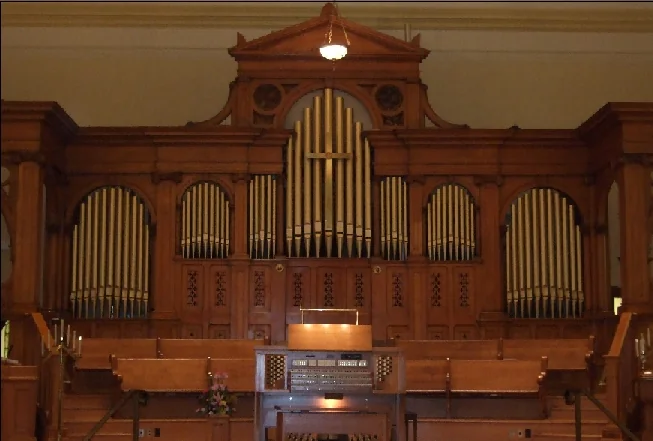
Confirmed visual sources
Photographed Martin Ott instruments.
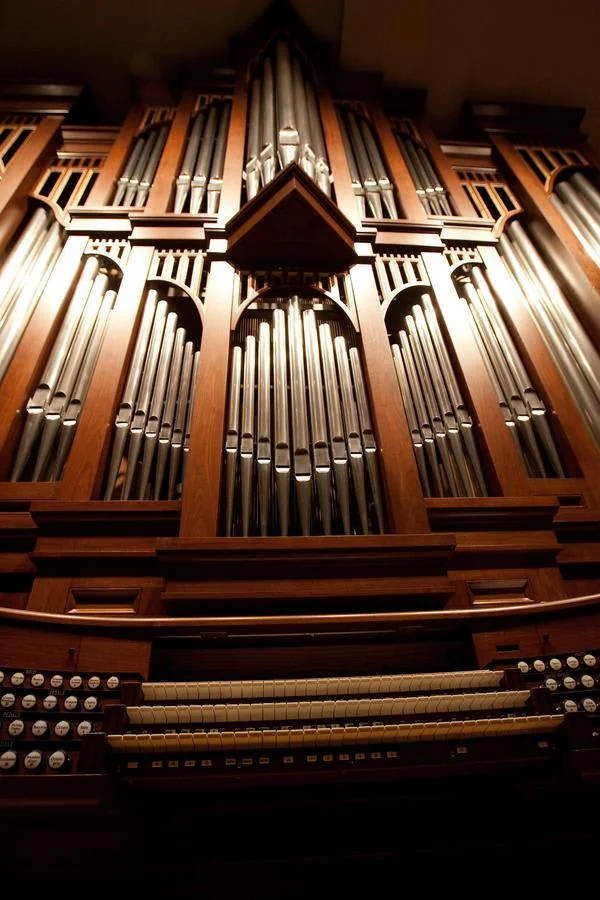
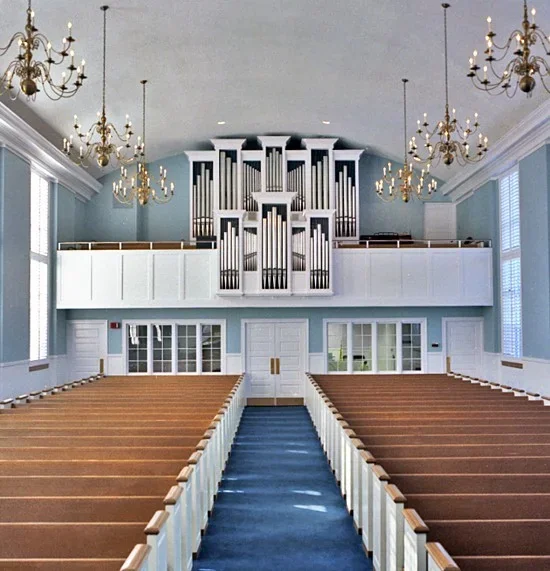
These six images are tied to the named venue through an institutional, AGO, or concert source. Other records use clearly labeled editorial studies until a project photograph can be verified.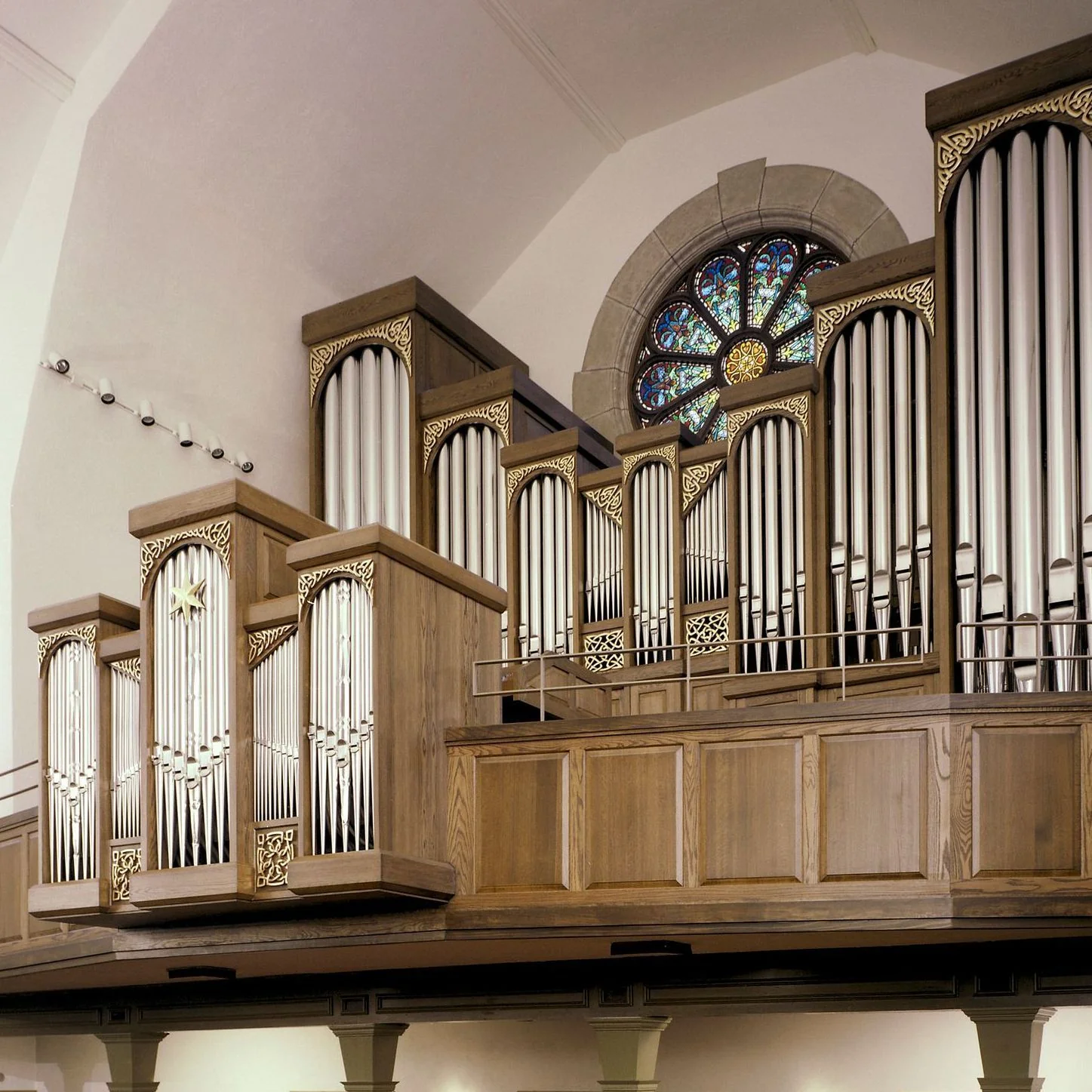
No archive records match that search.
Ways into the archive
Continue with the paired Abbey organs, the pipe-organ guide, an acoustics lesson, or the sources behind the collection.
Four decades, one instrument at a time
The Martin Ott Organ Archive begins with a 1973 instrument now associated with Eliot Unitarian Chapel in Kirkwood, Missouri, and reaches Opus 116 at St. John's Lutheran Church in New Minden, Illinois, recorded as 2014-15. Between them are compact chapel organs, university instruments, restorations, residence organs, large church projects and the linked pair built for Mount Angel Abbey.
Read together, the 116 entries form a working history of one builder's practice. Read separately, each one belongs first to a room and a community. The archive keeps that local identity in view: institution, city, date, scale and the surviving account of how the project took shape.
A catalogue line is only the beginning
Stops and ranks give a quick sense of scale, but they answer different questions. A stop is a control available to the organist; a rank is a series of pipes sharing a tone and pitch level. The figures cannot replace a stoplist, and they say little on their own about action, wind, voicing, later alterations or the sound of the room.
Dates need the same care. Some entries name a commission, restoration or period of work rather than a single completion day. Each Opus page therefore places the compact catalogue fields beside the fuller builder account. When the source leaves a question open, the article leaves it open too.
The rooms behind the numbers
The strongest entries move quickly from figures to people, materials and place. Opus 64 at Saint Brigid can be read through parish material as well as the builder account. Opus 110 in Ypsilanti adds an institutional view and a documented photograph. Mount Angel Abbey joins two instruments into one liturgical plan, while early projects trace moves, rebuilds and changes of setting.
Use the search above to move by Opus number, institution or city. The archive is meant for browsing as much as lookup: neighbouring entries often reveal how the scale and setting of the work changed from one commission to the next.
What survives, and what remains open
The former builder's instrument list and project pages survive in the Internet Archive. Those pages provide the spine of this collection. Later institutional histories, concert records and credited photographs add detail where they can be tied to the same instrument.
An old page cannot tell us whether an organ is playable today, who owns it now or what has changed since the account was written. A dated programme, stoplist, service note or documentary photograph may answer one of those questions. Until then, the gap remains visible rather than being filled with a guess.